



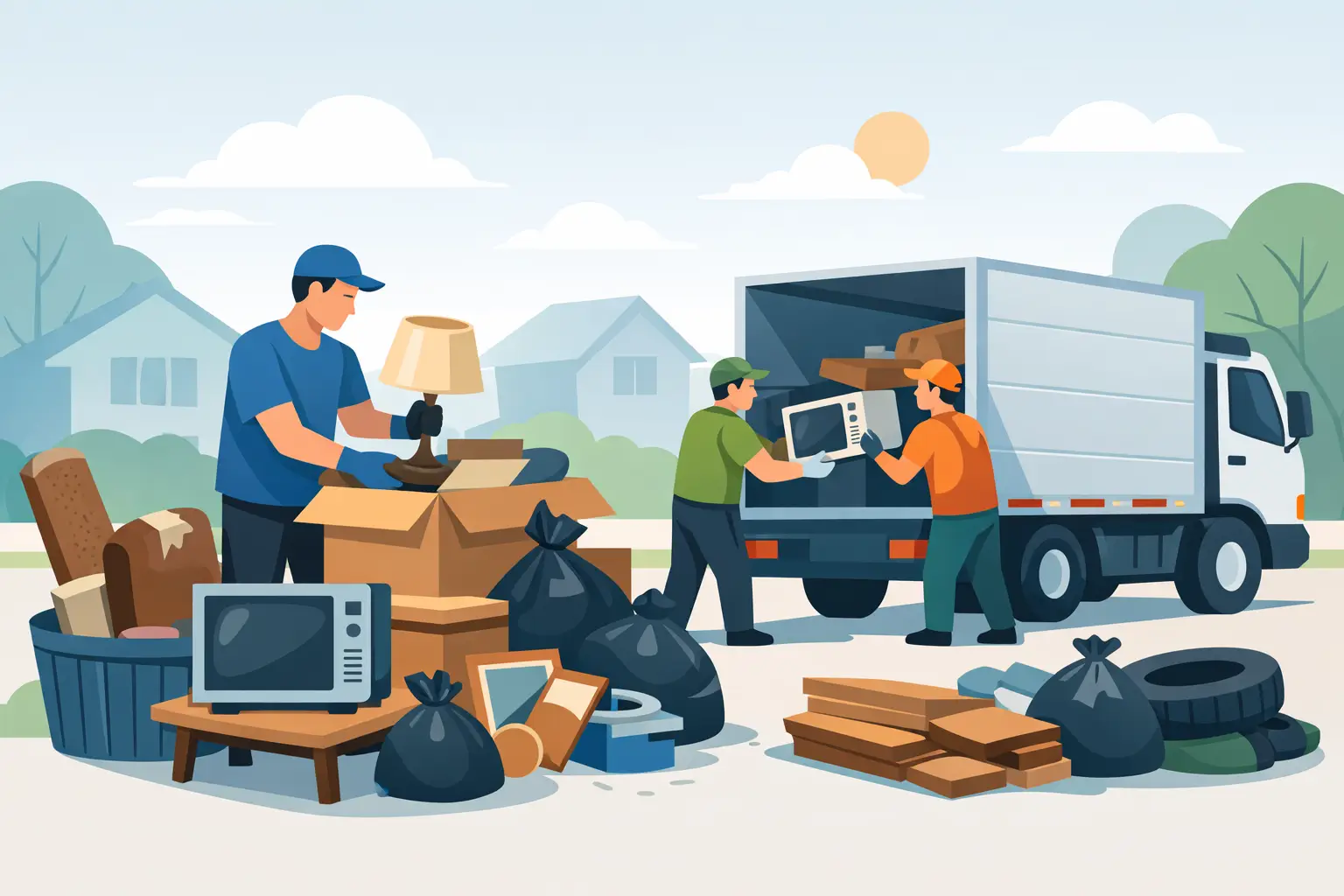
That old couch in the garage, the broken washer on the back porch, the pile of boxes you meant to sort months ago – junk removal gets easier once you know how to prepare junk pickup before the truck arrives. A little planning can save time, lower stress, and help the crew get everything out safely without delays.
The good news is you do not need to do the heavy lifting yourself. Preparing for pickup is mostly about making decisions, clearing a path, and knowing what is actually going. If you are dealing with a move, tenant turnover, estate cleanout, renovation leftovers, or just too much clutter, the right prep makes the whole job smoother.
Why how to prepare junk pickup matters
Most pickup delays happen for simple reasons. Items are not clearly separated, access is blocked, or customers are still deciding what stays and what goes when the crew arrives. That can add time to the job and make the day feel more hectic than it needs to.
Good preparation also protects your home and your schedule. When walkways are open and items are identified ahead of time, removal teams can work faster and with less risk of bumping walls, tracking dirt through the house, or hauling away something you meant to keep.
There is also the disposal side to think about. If you set aside usable items and clearly separate trash from donations or recyclable materials, it is easier for a responsible hauler to handle them the right way instead of treating everything like landfill waste.
Start by deciding what needs to go
Before pickup day, do one full pass through the area and make final decisions. This sounds obvious, but it is where many people lose time. If you are still unsure about half the pile, the job can slow down once the crew is on site.
Group items into clear categories in your mind or on the floor: junk, donations, items to keep, and anything that needs special handling. If you are cleaning out a garage, attic, office, or rental property, it helps to focus on one zone at a time so nothing gets mixed back together.
Be especially careful with boxes and bags. If they are sealed, make sure you know what is inside. People often toss things into trash bags during a cleanup and later realize personal documents, electronics, tools, or sentimental items went with the junk pile.
Separate what stays from what goes
One of the best ways to avoid mistakes is to create physical distance between the pickup items and everything else. If possible, move junk into one part of the garage, one room, the curb, or another clearly defined area. Items that are staying should go somewhere else.
This matters even more during moves and estate cleanouts, where furniture, packed boxes, and loose household items may all be in transition at the same time. A clear visual boundary helps everyone work with confidence.
If you cannot move things yourself, use tape, sticky notes, or simple signs marked “take” and “do not take.” That may feel unnecessary, but on a busy cleanout day it can prevent expensive mix-ups.
Clear a safe path for removal
You do not need to haul the junk out to the driveway unless you want to. But you should make it easy for the crew to reach it. Open up hallways, stairs, gates, and doorways as much as possible. Move rugs, planters, small tables, toys, and breakable decor out of the way.
If large items are coming out of a tight space, take a quick look at corners, railings, and door frames. In some cases, removing a door from its hinges can make a bulky item easier to carry out. That is not always necessary, but if you already know access is tight, it is worth thinking ahead.
Outside, make sure the truck has a reasonable place to park. If you live in a neighborhood with narrow streets, limited parking, apartment restrictions, or gate access, sort that out before arrival time. A few minutes of planning can save a lot of back-and-forth.
Check for items that cannot go in regular junk pickup
Not everything belongs in a standard load. Rules vary by company and disposal site, so this is one of the most important steps in how to prepare junk pickup properly.
Items that often need special handling include paint, chemicals, gasoline, propane tanks, batteries, certain electronics, medical waste, and other hazardous materials. Some appliances may also require extra steps depending on their type and condition.
If you are unsure about something, ask before pickup day. It is much easier to get a clear answer ahead of time than to find out during the appointment that part of the load cannot be removed. Honest communication helps the crew show up prepared and avoids surprises on the final quote.
Bag loose debris and box small items when it makes sense
Loose debris slows down removal. If you have small items scattered across the floor, broken pieces of shelving, yard waste, or general clutter, bagging or boxing them can speed things up. It also keeps nails, glass, dust, and sharp edges more contained.
That said, overpacking can create its own problems. Very heavy boxes are harder and less safe to carry than several smaller ones. Use sturdy bags or manageable boxes, and do not fill them so full that they tear or become awkward to lift.
For yard debris, bundle branches if possible and keep dirt, rocks, and construction scraps separate when you can. Mixed piles are still removable in many cases, but cleaner sorting often leads to faster loading and more responsible disposal.
Set aside personal and sensitive items
Before pickup begins, remove anything with personal, financial, or sentimental value. That includes IDs, tax papers, family photos, medication, laptops, external drives, and anything else you would not want to lose or leave exposed.
This is especially important in offices, rental turnovers, and estate situations, where paperwork and household items may be mixed together. Even if the pile looks like obvious junk, take one last check. Once the truck is loaded, recovering an item is not always simple.
If you have donation-worthy belongings, set those aside clearly as well. A service-first company will usually appreciate knowing what may still have useful life left in it.
Be ready for pricing and final walk-through
Most junk removal jobs are priced based on volume, labor, item type, or a mix of those factors. The more clearly the job is staged, the easier it is to get an accurate quote and keep the appointment moving.
Try not to add a second hidden pile at the last minute unless you mention it upfront. Small changes are common, but major additions can affect truck space, labor time, and scheduling. If you think you may have more than you first expected, say so early.
When the crew arrives, walk the job with them before anything gets loaded. Point out exactly what goes, mention anything fragile nearby, and ask questions if you have them. This takes only a few minutes and helps everyone stay on the same page.
How to prepare junk pickup during a move or cleanout
Moves, evictions, estate work, and major cleanouts usually come with more pressure than a simple single-item pickup. In those cases, timing matters just as much as sorting.
If you are moving, try to schedule junk removal after you know what is not making the trip but before final cleaning. That keeps unwanted items from getting packed by mistake and gives you a clearer space to work in.
For landlords and property managers, it helps to confirm access, parking, and what remains in the unit before the crew gets there. If tenants left mixed debris, furniture, and personal belongings behind, a quick walkthrough and photo record can help prevent confusion.
During estate cleanouts, emotions can make decisions harder. If possible, have family members identify keepsakes and documents before pickup day. The actual removal process goes much better when those conversations happen ahead of time.
A little prep saves a lot of stress
You do not need a perfect setup to have a smooth pickup. You just need a clear plan, open access, and confidence about what is leaving. From there, a dependable local team can handle the lifting, loading, and responsible disposal.
At Stan’s Junk Removal, jobs tend to go fastest when customers take a little time to prepare but leave the hard part to the crew. If you can sort it, mark it, and clear the path, the rest gets a whole lot easier.


Furniture Removal Columbia SC Made Easy | Stans Moving And Junk Removal
05/01/2026 10:27 pm[…] you are dealing with a larger cleanout, it helps to separate what is staying from what is leaving. That avoids confusion on pickup day, […]