



You watch a truck pull away with an old couch, broken shelving, yard debris, and a few mystery boxes from the garage, and the same question usually follows: what does junk removal do with the junk? Fair question. Most people know the clutter leaves their property, but they do not always know where it goes next or how a good company decides what gets donated, recycled, or thrown away.
The short answer is this: not everything goes straight to the landfill. A responsible junk removal company sorts items based on condition, material, local disposal rules, and whether something still has useful life left in it. That process matters, especially when you are clearing out a home, turning over a rental, handling an estate cleanout, or getting ready for a move. You want the job done fast, but you also want it done right.
What does junk removal do with the junk after pickup?
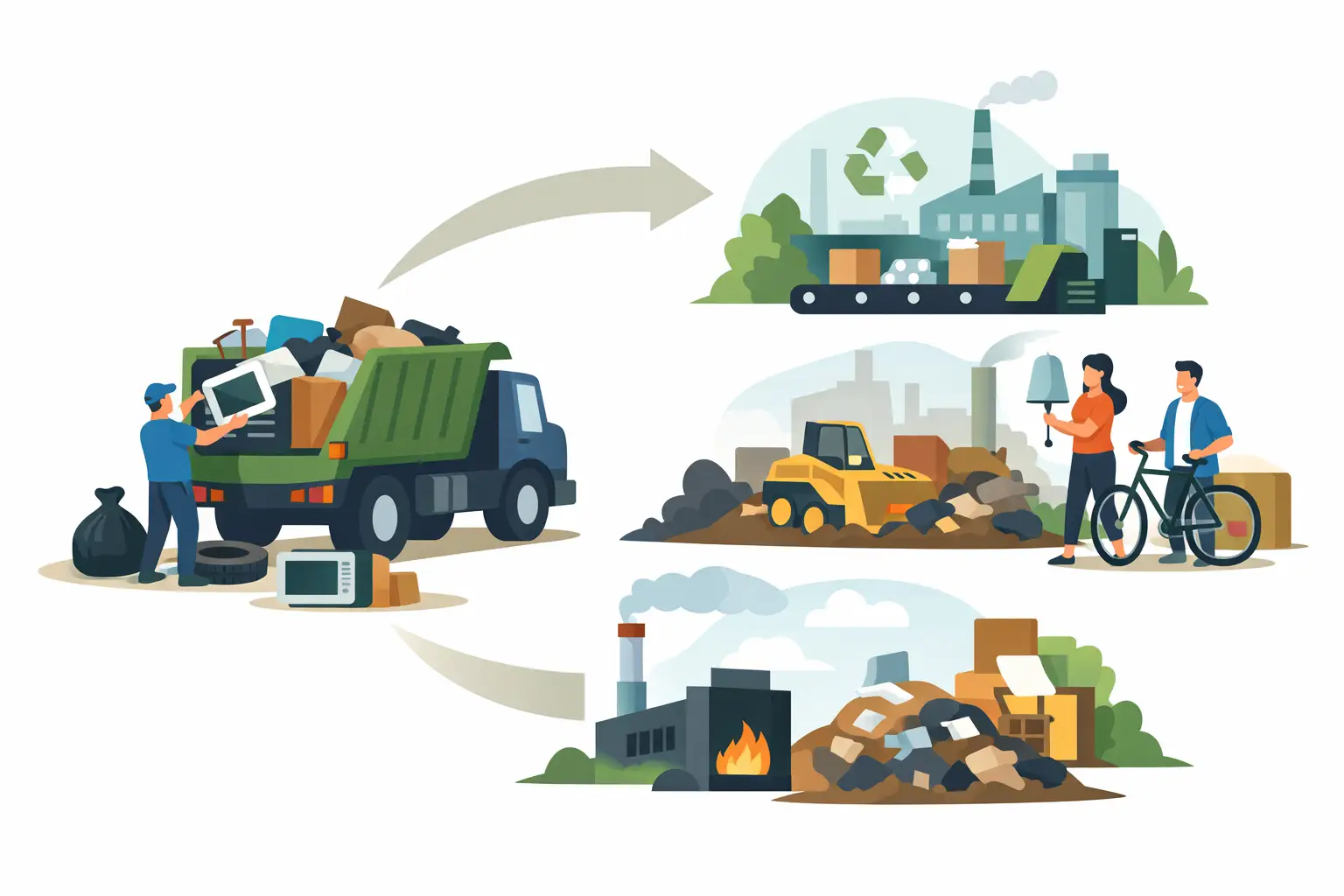
Once the crew loads everything up, the work is not really over. The hauling part is what customers see, but behind the scenes, there is usually a sorting process. Items are separated into categories like donations, recyclables, yard waste, construction debris, general trash, and items that need special handling.
That sorting step is one of the biggest differences between responsible junk removal and simple dumping. A stained mattress, for example, is handled very differently than a gently used dresser. Scrap metal from an appliance is different from a bag of mixed household trash. Some materials can be reused. Some can be broken down and recycled. Some have to go to approved disposal sites because of local regulations.
For customers, this matters because it affects both environmental impact and cost. The easier it is to sort and divert items from the landfill, the better the outcome all around.
The first stop is often donation
If furniture, household goods, or other items are still in usable condition, donation is usually the best next step. Think dressers with good drawers, couches without major damage, working lamps, boxed kitchenware, or home decor that someone else can still use.
Donation is especially common during downsizing, move-outs, and estate cleanouts. In those jobs, people often have plenty of items they no longer need but do not want to waste. A junk removal team can separate out what is worth donating so you do not have to figure it all out yourself.
There are limits, of course. Donation centers do not accept everything. Torn upholstery, heavily damaged furniture, wet materials, or unsafe items are often rejected. So while donation is a priority when it makes sense, it depends on condition and local acceptance rules.
Recycling comes next for the right materials
A lot of what people call junk is really recyclable material. Metal bed frames, washers, dryers, filing cabinets, shelving, aluminum, cardboard, and certain electronics may all be recyclable if they are handled properly.
Appliances are a good example. An old refrigerator is not just tossed in with regular trash. It may contain materials that need special processing. The same goes for air conditioners, microwaves, and other bulky items. Metal parts can often be recovered, but some units need extra care because of refrigerants or other components.
Yard debris can also be treated differently from household junk. Branches, leaves, brush, and natural outdoor waste may go to a composting or green waste facility instead of a landfill. That depends on the type of debris and what local facilities accept.
Recycling sounds simple, but it takes time, labor, and local know-how. A crew has to know what can be separated, where it can go, and how to handle it without slowing the whole job down.
Some items are resold or repurposed
Not every company focuses on resale, but usable items do sometimes get a second life through thrift channels, reuse programs, or material recovery. This tends to happen more with solid wood furniture, tools, working equipment, unopened supplies, and certain office items.
That said, customers should not assume every cleanout is full of resale value. A lot depends on age, condition, market demand, and the time it takes to move those items into the right hands. Something that feels valuable to the owner may not be practical to resell. That is one reason junk removal pricing is based on labor, hauling volume, and disposal logistics, not on the hope that the load contains hidden treasure.
What still ends up at the landfill
Even with donation and recycling efforts, some junk has reached the end of the road. Wet furniture, contaminated materials, broken particleboard, mixed trash, certain renovation debris, and heavily worn household items often have to be disposed of.
This is where honest expectations matter. A company can work hard to reduce landfill waste, but no junk removal service can promise that nothing gets dumped. Some materials simply cannot be recovered in a safe or cost-effective way. The goal is not perfection. The goal is to keep as much as possible out of the landfill while following local rules and keeping the process efficient for the customer.
What does junk removal do with the junk from special jobs?
Different cleanouts create different waste streams, so the answer changes depending on the job.
In a move-out cleanout, there may be a mix of broken furniture, leftover household goods, bags of trash, and items that were never unpacked. In that case, some things may be donated, but plenty of it may be straight disposal.
For landlords and property managers, tenant turnover jobs often include bulky junk, abandoned belongings, mattresses, and damaged items that are no longer reusable. Speed matters here because the unit needs to be turned quickly, so the sorting process has to be practical and fast.
Estate cleanouts usually have more donation opportunities because many items were cared for, even if they are no longer needed. Office cleanouts may include desks, chairs, shelving, paper, electronics, and general business waste, which often means a mix of recycling and disposal. Yard cleanups and light renovation debris lean more heavily toward green waste and approved dump sites.
That is why a good junk removal company does not treat every load the same. The type of job changes the hauling plan.
Why responsible disposal matters more than people think
For most customers, the first concern is simple: get this stuff out of here. That makes sense. Junk is stressful, heavy, time-consuming, and often tied to a bigger life event like moving, remodeling, or handling a family property.
But what happens after pickup still matters. Illegal dumping hurts the community. Poor handling of appliances or electronics can create environmental problems. Sending everything straight to the landfill wastes useful items and recyclable materials. Responsible disposal protects more than your driveway. It helps keep neighborhoods cleaner and reduces unnecessary waste.
That is one reason local service matters. A company working in Columbia and the Midlands knows the area, understands where materials can go, and has a reputation tied to the community. Stan’s Junk Removal, for example, is built around doing the heavy lifting while keeping donation, recycling, and proper disposal part of the process.
How customers can help the process go better
You do not need to pre-sort every item before pickup, but a little organization can help. If you know certain pieces are in good condition and you would prefer they be donated when possible, set them apart. If you have paint, chemicals, or other materials that may need special handling, mention that before the appointment.
It also helps to be realistic about condition. A dresser missing drawers and sitting in a damp shed for two years is probably not headed for donation. A gently used table from a clean guest room might be. The more accurate the description, the smoother the quote and the pickup process.
For larger cleanouts, especially after a move or estate transition, it can be useful to separate what you are keeping from what is definitely going. That saves time on-site and avoids mistakes when the crew is working quickly.
The real job is not just hauling
When people ask what does junk removal do with the junk, they are really asking whether the process is thoughtful or careless. The best answer is that good junk removal is part labor service, part logistics, and part responsible disposal.
The crew lifts, loads, hauls, sorts, and routes items where they belong. Some pieces are donated. Some materials are recycled. Some waste has to be dumped. And yes, it depends on the condition of the items, local facilities, and the kind of job you are dealing with.
If you are hiring help, it is worth choosing a team that sees junk removal as more than a quick toss-and-go service. Clearing space should make your life easier without creating a bigger mess somewhere else.


Rental Property Junk Removal That Saves Time | Stans Moving And Junk Removal
05/15/2026 1:10 am[…] that can remove what needs to go without creating more work for you. If there are items that can be donated or recycled, that should be part of the approach […]