


You finally clear out the garage, drag the old recliner to the side, stack a few broken shelves by the door, and then hit the question that stops a lot of people cold – what items junk haulers accept, and what has to stay put?
The short answer is that most junk removal companies take far more than people expect. Furniture, appliances, yard debris, boxes of household clutter, office cleanouts, and post-move leftovers are all common. But there are also limits, and knowing those limits ahead of time saves time, avoids surprises, and helps your pickup go smoothly.
What items junk haulers accept for most cleanouts
For everyday residential and commercial jobs, junk haulers usually accept non-hazardous items that can be lifted, loaded, and transported safely. That includes the kind of bulky, awkward, or just plain unwanted stuff that won’t fit in your trash bin and is too much trouble to haul yourself.
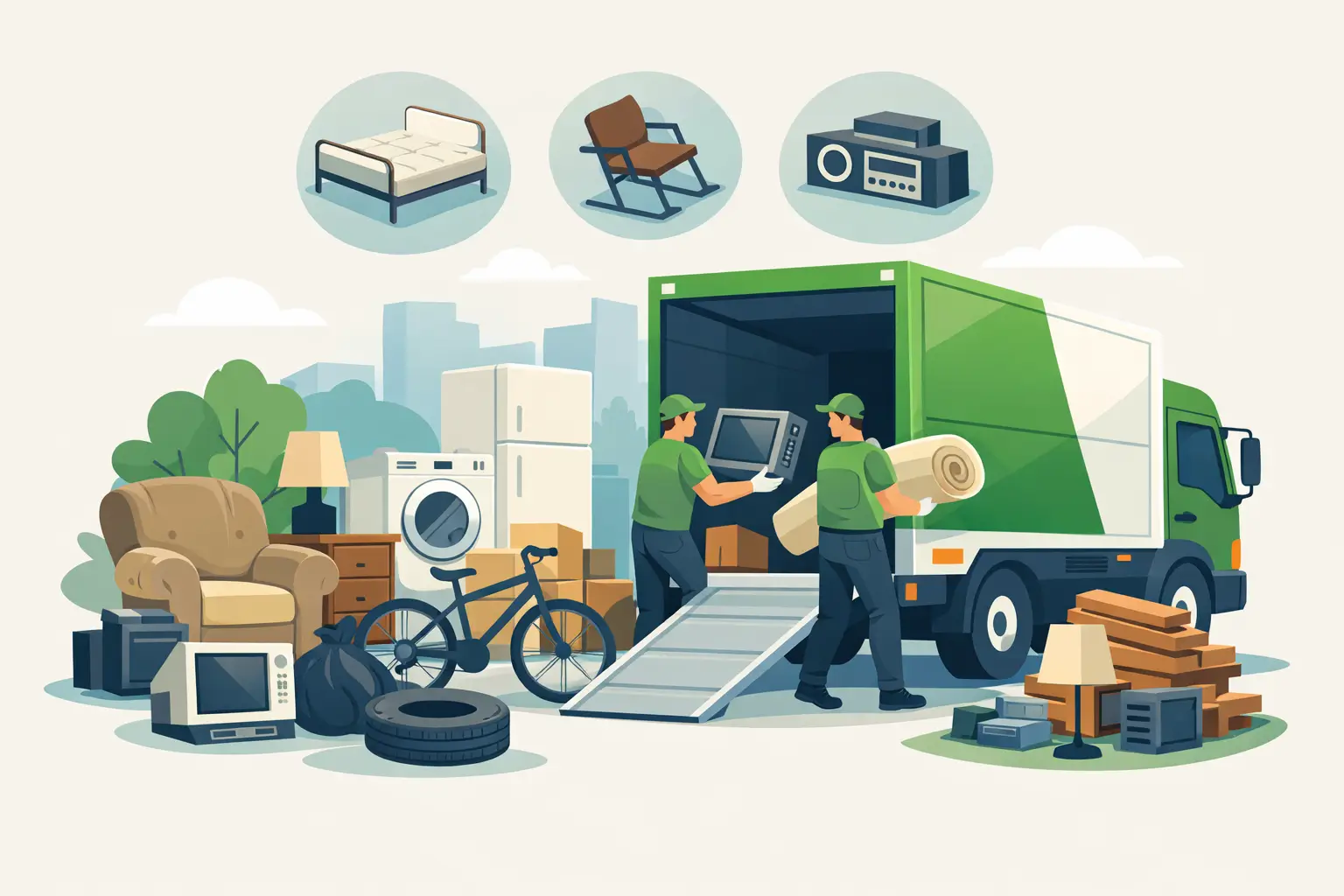
Furniture is one of the most common categories. Couches, loveseats, mattresses, bed frames, dressers, desks, dining tables, patio furniture, and bookshelves are typically accepted. If you are moving, downsizing, replacing old pieces, or cleaning out a rental, these are exactly the kinds of items people call about every day.
Appliances are also frequently picked up, though the exact type matters. Washers, dryers, stoves, dishwashers, microwaves, and refrigerators are common haul-away items. Some appliances may need special handling because of refrigerants or size, so it helps to mention them when you request a quote instead of waiting until pickup day.
General household junk is another big one. Think bagged trash from a cleanout, storage bins full of unwanted items, toys, clothing, small household goods, lamps, mirrors, and boxes that never got unpacked after the last move. If it is non-hazardous and there is enough volume to justify removal, it is often fair game.
Yard debris is usually accepted too. Branches, leaves, brush, old fencing, storm debris, and stacks of yard waste are common jobs across the Midlands. The only catch is that loose debris often needs to be gathered in a manageable pile, and weight can affect pricing if you are dealing with wet material, dirt-heavy loads, or large amounts of wood.
Construction and renovation debris can be accepted in many cases, especially for smaller projects. Old cabinets, drywall, flooring, trim, doors, tile, and demolition debris are all common requests. That said, some materials are much heavier than they look, so the final answer often depends on volume, weight, and whether the debris contains restricted material.
What items junk haulers accept depends on safety and disposal rules
This is where the answer shifts from a simple yes or no to it depends. Junk haulers are not just loading trucks. They also have to follow disposal rules, landfill restrictions, recycling requirements, and basic safety standards for their crew.
That is why many companies cannot take hazardous waste. Paint, solvents, gasoline, motor oil, propane tanks, pesticides, pool chemicals, and certain cleaning chemicals are often restricted. These items need special disposal channels, and putting them on a regular junk truck can create safety and legal problems.
Electronics are another category where rules can vary. TVs, computer monitors, printers, laptops, and other e-waste are often accepted, but not always handled the same way as furniture or mixed junk. In some areas, these items must be recycled separately. If you have a pile of office electronics or an old entertainment center setup, it is smart to list everything up front.
Tires, batteries, and fluorescent bulbs can also fall into the special-handling category. Some haulers will take them. Some will not. Others may accept them only in limited quantities or for an added disposal fee. The issue is usually not whether the item is unwanted. It is whether the final disposal site allows it and how much handling is required.
Items with biological or sanitary concerns may be declined as well. Mold-heavy debris, sewage-contaminated material, animal waste, and anything that creates a health risk can be a problem. The same goes for items with pests or active infestations. A reputable crew will be honest about that instead of loading something that could contaminate the truck or put workers at risk.
Common accepted items people ask about
Some items come up again and again because people are not sure whether they count as regular junk or special disposal.
Mattresses are often accepted, but local disposal rules matter. The same goes for box springs and metal bed frames. Hot tubs, sheds, swing sets, and play equipment are also common haul-away jobs, though they may need to be dismantled first or priced differently because of labor.
Carpet is usually accepted, especially if it has already been pulled up and rolled. If it is still installed, that becomes more of a labor job than simple junk removal. Exercise equipment like treadmills, bikes, and home gyms is also commonly hauled away, but weight and disassembly can affect the quote.
Office furniture is another regular category. Filing cabinets, cubicles, conference tables, office chairs, shelving, and old equipment can often be removed during a business cleanout. For landlords and property managers, leftover tenant junk, abandoned furniture, and turn-over debris are also standard pickup items.
If the item is bulky, awkward, or too much for curbside trash but does not fall into the hazardous category, there is a good chance a junk hauler can take it.
Donation, recycling, and disposal are not the same thing
A lot of customers assume junk removal means everything goes straight to the dump. A good local hauling company does not operate that way.
Usable furniture, household goods, and certain appliances may be set aside for donation when they are still in decent condition. Metal items, some electronics, cardboard, and specific materials may be recycled instead of trashed. That matters if you are cleaning out a loved one’s home, downsizing, or trying to avoid sending perfectly usable items to the landfill.
Still, condition matters. A stained mattress, broken dresser, or water-damaged couch is usually not donation material. People mean well when they say, “Maybe someone can use this,” but if the item is unsafe, heavily worn, or not functional, disposal is often the only realistic option.
That is one reason honest communication helps. If you want to donate what you can and dispose of the rest, say so early. A service-first team can tell you what is likely reusable and what probably is not.
How to tell if your junk pickup will be simple or complicated
Most pickups are straightforward. If you have old furniture, bagged clutter, yard debris, or a few appliances, the process is usually quick. The job gets more complicated when access is tight, the load is extra heavy, or the material falls into a restricted category.
Stairs, long carries, apartment pickups, gated properties, and items that need to be broken down can all affect labor and timing. The same goes for hoarder cleanouts, estate clearances, and move-out situations where the amount of junk is larger than expected.
Photos help a lot here. A clear set of pictures lets a hauler spot issues before arrival and give a more accurate quote. It also helps avoid that awkward moment when the truck shows up and half the load turns out to need separate handling.
How to prepare once you know what items junk haulers accept
The easiest pickups happen when customers do a little sorting first. You do not need to haul anything to the curb or do the heavy lifting, but you should separate what is staying from what is going. That is especially important during moves, estate cleanouts, and rental turnovers where good items, trash, and donation pieces are often mixed together.
If you have special items like paint cans, TVs, refrigerators, tires, or batteries, point those out when booking. If you are not sure about an item, ask. It is better to get a clear answer before the truck is on the way.
It also helps to be realistic about condition. A broken entertainment center, a rusted grill, and a soaked pile of carpet padding are junk. A solid wood table in good shape may be donation-worthy. That difference affects where the load goes and sometimes how it is priced.
For homeowners, renters, landlords, and business owners in Columbia, SC, the best approach is simple: make a list, take a few photos, and ask for a quote based on the actual items on site. Stan’s Junk Removal handles the heavy lifting, but the smoother the planning, the faster the job gets done right and responsibly.
If you are staring at a pile of stuff and wondering whether it counts, chances are a lot more of it can be removed than you think – and the few items that need special handling are easiest to deal with when you know that before pickup day.


How To Declutter Before Moving | Stans Moving And Junk Removal
05/09/2026 10:36 pm[…] What Items Junk Haulers Accept Most Often […]